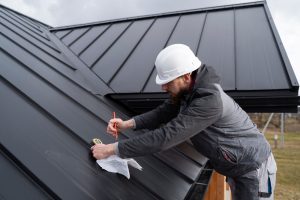


Multiple Contractor Network
Access a broad network of top-rated local contractors ready to compete for your project, ensuring you get the best service and value.
No-Cost Inspections
Enjoy peace of mind with our no-obligation, free roofing inspections, utilizing the latest drone technology for accuracy.
Commission Opportunities
Earn a commission if you opt for a virtual sign-up with no sales representative involvement. It's our way of thanking you for your trust.




Schedule Your Inspection
Contact us to set up a convenient time for your free inspection. We're flexible to fit your busy schedule.

Inspection Day
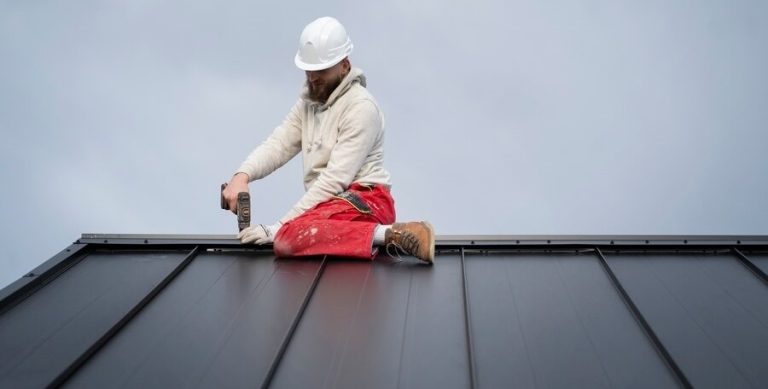
Our inspectors use Will visit, get on the roof or use drone technology to provide a thorough assessment of your roof and solar potential without the need for you to climb ladders.

Detailed Report & Recommendations
Receive a detailed report of your roof’s condition along with a transparent estimate for any recommended repairs, Full roof replacements or upgrades, including solar installations.

Roof inspection questions, answered
What homeowners ask most about roof inspections after a storm — and what to expect from the appointment.
Why is it important to have a roof inspection after a major storm?
After a major storm, your roof could have sustained damage that isn't immediately visible, such as missing shingles, leaks, or structural issues. An inspection ensures any potential damage is identified early, preventing bigger problems like water damage or mold. It also helps you determine if you need to file an insurance claim to cover the repair costs.
What happens during a roof inspection?
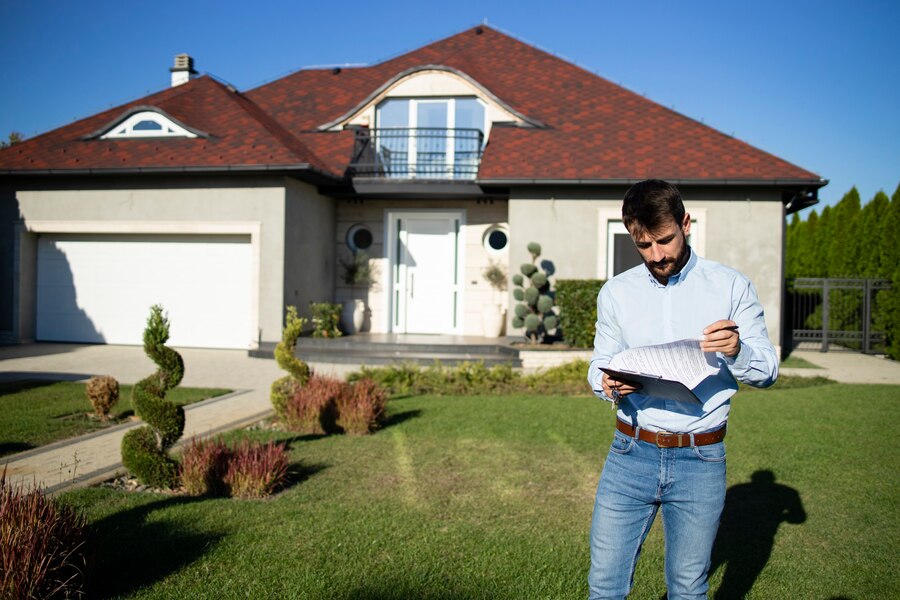
During an inspection, a professional roofer will check for visible and hidden damage. This includes inspecting the shingles, gutters, flashing, vents, and the overall structural integrity of your roof. They'll also look for signs of leaks, mold, or wear that could compromise your roof's ability to protect your home.
What are the signs that my roof needs an inspection?
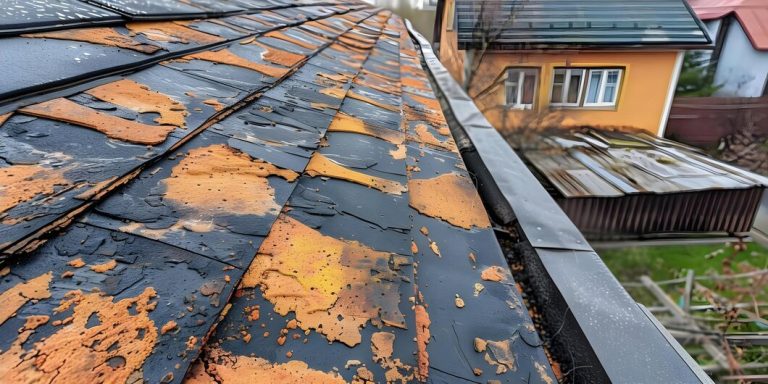
Common signs include missing or damaged shingles, leaks, water stains on your ceiling, sagging in your roof, granules in your gutters, and visible damage after a storm. Even if you don't notice visible signs, having a professional inspect your roof ensures no hidden damage goes undetected.
How soon should I schedule an inspection after a storm?
It's best to schedule an inspection as soon as it's safe after a storm. The sooner a professional can assess the damage, the quicker you can prevent further issues or file an insurance claim. Some storm damage, like leaks, may not show up immediately but can cause long-term problems if left unchecked.
Will my insurance cover the cost of roof inspections?
Many homeowner's insurance policies cover inspections if storm damage is suspected. Regular inspections can also help homeowners stay compliant with their insurance policy, ensuring that any necessary repairs are made before more severe damage occurs. Always check with your insurance provider for specific coverage details.
How do roofing inspections help with insurance claims?
A professional roof inspection provides documentation of storm-related damage, which is critical for filing an insurance claim. Insurance companies require proof of damage before approving coverage for repairs, and a detailed inspection report helps streamline the claim process.
How long does a roof inspection take?
A typical roof inspection can take anywhere from 30 minutes to a few hours, depending on the size and condition of the roof. The contractor will thoroughly examine all areas of the roof, including the shingles, gutters, flashing, and vents, to ensure nothing is missed.
What are the benefits of regular roof inspections?
Regular inspections help extend the lifespan of your roof by identifying issues early. They also help homeowners stay compliant with insurance policies and avoid expensive repairs by addressing problems before they escalate. Additionally, regular inspections help maintain your home's energy efficiency and prevent water damage.
Still have a question? Read the full FAQ or call 507-501-5458.